A bigger cart is not always a better cart, and experienced store owners learn that lesson fast. For a US store trying to lift average order value, the real win is getting buyers to add things they already had a reason to want, not pushing them into a swollen checkout. That difference matters because shoppers can smell pressure fast. One bad add-on can turn a warm order into a lost cart. One smart suggestion can make the purchase feel finished. Good selling after the click starts with respect. The customer came for a job: a gift that lands well, a tool that saves time, a product that solves a daily annoyance. Your offer should make that job easier. A founder reading smart online business growth advice needs the same lens: revenue growth is healthier when it protects trust. The point is not to squeeze another dollar from every visit. It is to make the customer feel better prepared after the purchase than before. That is where upsells and cross-sells earn their place. The best ones do not shout. They answer the small question sitting in the buyer’s head: “What else would make this purchase work better for me?”
Use Average Order Value Math Before You Make Any Offer
Most stores pick add-ons by instinct. A hoodie gets a hat. A laptop gets a sleeve. A skin care kit gets another bottle. That can work, but it also leaves margin, timing, and customer intent out of the room. Before you place an offer, map the numbers. Know your gross margin, shipping cost, return risk, and the price point where buyers start to hesitate. The goal is not a taller cart at any cost. The goal is a cleaner order that still feels easy to say yes to. A store owner who knows the numbers can be generous in the right places and firm in the places that keep the business alive.
Price Ladders That Feel Like Better Choices
A strong upsell starts with a price ladder the buyer can understand in one glance. If someone chooses a $49 desk lamp, a $59 version with a dimmer and warmer bulb settings feels close enough to consider. A $129 designer lamp may be beautiful, but it asks the buyer to rethink the whole purchase. That is a different mental task.
This is where many upselling techniques go wrong. They push the “best” product instead of the next sensible product. A shopper who wants running shoes for casual morning walks may not need the race-day model. They may need the version with better cushioning and longer wear. The offer works because it respects the original reason for shopping.
The non-obvious part is that the middle option often does more than the premium one. It gives the customer a safer upgrade without making them feel cheap or careless. For a US pet supply store, that might mean moving a buyer from a basic $22 leash to a $29 padded leash, not to a $70 training system.
You can also use price ladders to protect buyer confidence. If the lower option looks weak, the customer may doubt the whole product line. If the premium option looks inflated, the store may look greedy. The sweet spot sits in the middle, where the upgrade feels practical, clear, and close enough to the original budget.
Cart Thresholds That Protect Margin
Free shipping thresholds can raise cart size, but only when the math is honest. If your usual cart is $38 and shipping turns profitable at $50, a “free shipping over $55” message can help. The customer sees a short gap, not a wall. A $20 candle, a pack of filters, or a travel-size refill can close that gap without making the cart feel swollen.
The mistake is setting thresholds around hope. A boutique that sells $28 tees may dream about $100 carts, but a jump that large can feel silly on a first order. A better move is a threshold the buyer can reach with one useful add-on. This is one of the easiest ways to increase AOV without training customers to wait for discount codes.
Keep the offer plain. “You are $12 away from free shipping” beats a flashing stack of coupons. It also keeps you away from murky pricing behavior. US sellers should keep price claims clear and truthful, and the FTC’s deceptive pricing guidance is a sound place to check your instincts before you frame savings too aggressively.
The hidden cost is operational. A free shipping offer that pushes buyers toward bulky, low-margin items can hurt more than it helps. A candle brand may do better nudging customers toward a wick trimmer or sample tin than toward a heavy glass jar. The cart looks smaller, but the profit can be cleaner.
Match the Offer to the Buying Moment
The same offer can feel helpful or annoying depending on when it appears. Early in the journey, shoppers are still comparing. Late in the journey, they want confidence and speed. Treat those moments as separate rooms. A product page can teach. A cart can clarify. A post-purchase page can add one more useful item without risking the main sale. When timing lines up with buyer intent, cross selling strategies feel less like pressure and more like service. This is where many US stores leave money behind, not because their offer is bad, but because it appears at the wrong second.
Product Page Offers for Shoppers Still Comparing
On a product page, the shopper has not fully decided. They may be checking size charts, reading reviews, or comparing colors. This is not the best moment to throw five extras at them. It is the moment to help them pick the right base item. For a direct-to-consumer coffee brand, that could mean showing the dark roast sampler beside the full-size bag for people who are unsure about flavor.
Good product-page upselling techniques answer doubts. A mattress brand might compare foam density, cooling cover, and sleep trial terms in a short chart. A shopper who was leaning toward the basic model may choose the upgraded one because the difference is plain. No hard shove needed.
A quiet detail matters here: the offer should not steal attention from the main choice. If the shopper is deciding between two jackets, do not bury the page under scarves, gloves, bags, and care kits. Help them choose the jacket first. Accessories can wait.
The copy should sound like a store associate, not a slot machine. “Need this for cold rain?” sets up a better jacket comparison than “People also bought.” The first line connects to the buyer’s weather, commute, and real life. The second line may be true, but it gives no reason to care.
Checkout Offers for Shoppers Already Decided
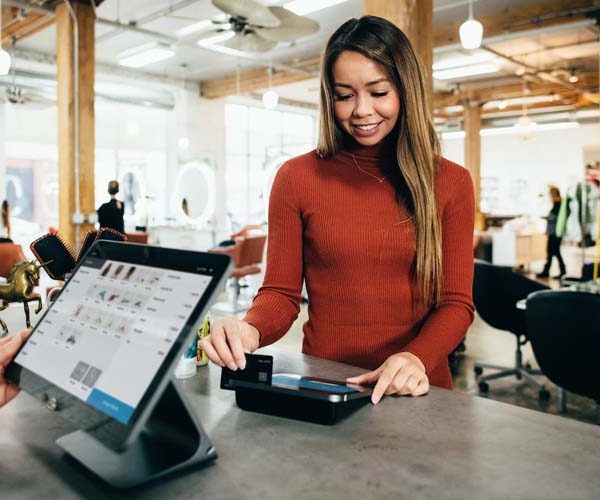
At checkout, the buyer has moved from “Should I buy?” to “How fast can I finish?” That shift should change your offer. The safest checkout add-ons are low-cost, high-fit, and easy to accept without reading a paragraph. Think batteries for a toy, screen protectors for a phone case order, or gift wrap before Mother’s Day.
This is where cross selling strategies can shine. A US florist can offer a $9 vase upgrade after the bouquet is in the cart. A grilling brand can offer cedar planks with salmon-seasoning bundles before summer weekends. These offers work because they are tied to the use case, not random inventory.
One strong offer beats a crowded tray. A buyer who sees eight add-ons has to think again, and thinking is friction. At the final step, friction is expensive. Keep the add-on simple, optional, and easy to remove.
Post-purchase offers have their own place. After payment, the buyer’s main order is safe, so you can offer one related item without threatening checkout completion. This works well for refills, duplicate gifts, care products, and low-risk accessories. The offer should still feel calm. A thank-you page is not a carnival booth.
Make Bundles Feel Useful, Not Bloated
Bundles can raise cart size, but shoppers are wary of padded sets. They have seen the bundle that includes one item they want and three things the seller wants to clear out. That breaks trust. A good bundle feels like someone packed the cart with the whole task in mind. The buyer should be able to picture using every item in the set within a week or two. When the set answers a real situation, it starts to feel less like a sales tactic and more like relief.
Pair Items by Job, Not Category
Most weak bundles are built by category. A skin care store puts cleanser, serum, toner, cream, and mask together because they sit in the same aisle. A better bundle is built by job: “dry winter skin kit,” “post-gym face reset,” or “carry-on routine for a three-day trip.” The items now have a shared purpose.
For a home office brand, “desk setup kit” could include a monitor riser, cable clips, and a soft desk mat. That is not glamorous. It is useful. The customer sees the messy desk at home and understands why the pieces belong together. That is how you increase AOV without sounding like a clearance rack.
The counterintuitive move is to make some bundles smaller. A two-item set can outsell a five-item set when the connection is stronger. A cast iron pan plus chainmail scrubber may feel smarter than a large cooking bundle with oil, towels, spices, and a cookbook.
Seasonal jobs can make bundles easier to understand. A “first apartment cleaning kit” before August move-in season speaks to college students and young renters. A “storm prep battery pack” in Gulf Coast states before hurricane season has a reason behind it. The products are not random. They are tied to a moment the buyer already recognizes.
Use Proof and Restraint to Keep Trust
Buyers need proof that a bundle makes sense. That proof can come from reviews, photos, return data, or plain copy. “Customers who buy the starter guitar often add these picks because the strings are easier on beginners” gives a reason. “Complete your setup” says less.
Restraint also matters. If every product has a bundle, the store starts to feel staged. Use bundles where the relationship is clear. A first-aid refill pack for a camping kit makes sense. A branded mug beside a tax software download does not, unless the audience has some strange mug habit you can prove.
For content planning, your team can build a product bundling strategy page that explains which pairs belong together and why. That internal guide keeps merchandising from drifting into random add-ons when sales are slow.
Bundles should also be easy to break apart. Some shoppers want the set, while others want one item. Hiding individual products can raise suspicion, especially if the bundle discount looks too polished. Let buyers see the pieces. The more open the offer feels, the less the customer wonders what catch is hiding inside.
Measure Profit, Friction, and Repeat Buying Together
AOV can rise while the business gets weaker. That happens when discounts eat margin, bulky items raise shipping costs, or confused customers return more of what they bought. Watch the full after-effect. The order does not end at payment. It ends when the customer keeps the product, feels good about it, and has a reason to come back. The mature move is to measure the lift beside the drag. Extra revenue is only attractive when it survives the trip through fulfillment, service, and the second order.
Test One Offer at a Time
Testing works best when it is boring. Change one thing. Run it long enough to see a pattern. Compare buyers who saw the offer with buyers who did not. If you change the bundle, price, copy, and placement at once, you will learn almost nothing. You may make money, but you will not know why.
A small Shopify store selling pickleball gear might test a $14 grip tape add-on in the cart for two weeks. If carts rise but checkout completion falls, the offer may be in the wrong spot. Move it to the product page or post-purchase page and test again. The answer is rarely “add more noise.”
This is a good place to connect your store work with a broader customer retention strategy. A short-term cart lift means less if buyers do not return. The better sign is a cleaner pattern: higher cart size, steady conversion, fewer returns, and repeat orders that do not depend on heavy coupons.
You should also segment the results. New buyers and repeat buyers do not respond the same way. A first-time customer may resist a premium upgrade because trust is still thin. A returning customer may welcome it because they already know the quality. One store-wide result can hide both truths.
When to Remove an Offer That Makes Money
Some offers deserve to die while they are still profitable. That sounds strange until you look at the damage they cause. A checkout pop-up may bring in extra add-ons today, yet train buyers to distrust the final price. A forced protection plan may lift revenue while support tickets rise. A bundle discount may move units while customers learn never to pay full price.
The best operators watch complaints, refund notes, shipping delays, and customer service tags. If buyers say “I did not mean to add this,” your offer has crossed a line. If they ask how to remove an item every week, the design is doing too much selling and not enough explaining.
A healthy program should feel almost calm. Buyers accept the offer because it makes sense. They skip it without punishment. They return because the first order felt fair. That is harder to fake than a pop-up, and far more useful over time.
There is pride in removing a profitable bad offer. It means you are choosing the brand you want next quarter over the revenue you can grab this afternoon. That kind of discipline is rare, and customers notice it in small ways: fewer surprises, clearer carts, and fewer reasons to regret saying yes.
Conclusion
Growth from upsells and cross-sells should feel like better buying, not heavier selling. The store that wins is not the one with the loudest cart page. It is the one that understands the task behind the order and offers the next useful step at the right moment. That takes patience. It also takes the courage to remove offers that add revenue while weakening trust.
A smart plan for average order value begins with the buyer’s reason for being there. Then it checks margin, timing, product fit, and repeat behavior. That order matters. When you reverse it and chase cart size first, the experience starts to feel cheap.
The most durable way to increase AOV is to make the customer feel more prepared after buying than they felt before. Add the refill. Offer the better-fit version. Pair the item with the missing piece. Then leave room for an easy no. Build that habit into every offer, and your cart will grow without making your brand feel smaller.
Frequently Asked Questions
How do upsells differ from cross-sells in an online store?
An upsell moves the buyer toward a higher-value version of the same product. A cross-sell suggests a related item that supports the original purchase. Both can raise cart size, but they should solve different buyer needs instead of competing for attention.
What is the best place to show an upsell offer?
The best place depends on the decision stage. Product pages work well for higher-tier versions because shoppers are still comparing. Cart and checkout areas work better for low-cost add-ons. Post-purchase pages can work when the main sale should not be disturbed.
How many cross-sell items should I show at checkout?
One to three is usually enough for a clean checkout. More choices can slow the buyer down and create doubt. The safest add-ons are small, relevant, and easy to remove. A focused offer often earns more trust than a crowded product tray.
Is free shipping a good way to increase AOV?
It can work when the threshold sits close to the buyer’s natural cart size. If the gap feels too large, shoppers may abandon the order or hunt for coupons. Set the threshold around margin, shipping cost, and one believable add-on.
Should small businesses use discounts for upsells?
Discounts can help, but they should not carry the whole offer. A better product fit, added convenience, or a complete set can work without cutting price. Use discounts with care so customers do not learn to wait for cheaper checkout deals.
What products make the best cross-sells?
The best cross-sells are items the buyer will use with the main product soon after delivery. Accessories, refills, protection items, gift options, and setup tools often work well. The connection should be obvious without a long explanation.
How do I know if an upsell is hurting conversions?
Watch checkout completion, return rates, refund comments, support tickets, and repeat orders. If revenue rises but more buyers complain or leave before payment, the offer may be too aggressive. A good upsell should add value without adding doubt.
Can service businesses use these same techniques?
Service businesses can use the same thinking. A web designer might offer copywriting, maintenance, or faster delivery after the core package is chosen. The offer should support the original goal. It should not feel like a surprise fee added late.